


ELD.gg Revolutionizing Adventure: How Elden Ring Transcends Traditional ARPGs
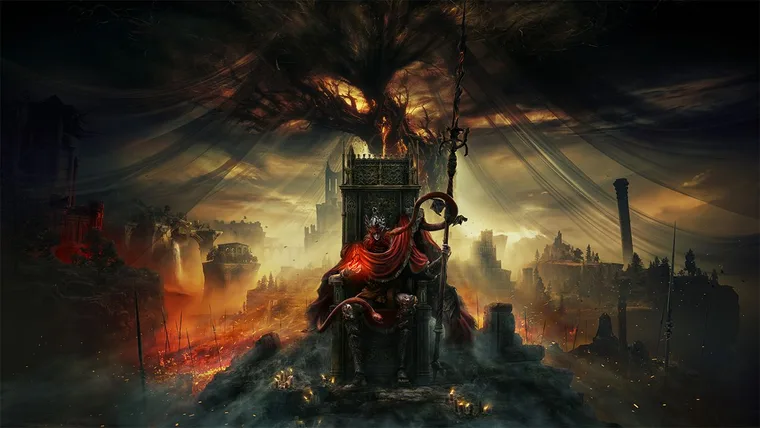
Elden Ring has firmly established itself as a landmark title in the action role-playing game arena—a true masterpiece crafted by FromSoftware under the meticulous guidance of Hidetaka Miyazaki. Revered for its challenging gameplay and Elden Ring Runes richly woven narrative, the game has captivated a vast audience, earning accolades for its innovative design while also igniting debates within its passionate fanbase.
A Bold Departure from Tradition
For many long-time enthusiasts, FromSoftware’s reputation was built on meticulously designed, tightly controlled environments that rewarded patience and precision. Elden Ring, however, marks a significant departure from that formula by introducing a sprawling open world. This bold shift has sparked controversy among some veterans, who worry that expanding the game's boundaries might dilute the intensity and mystery that defined earlier titles. Despite these concerns, Elden Ring quickly proves its critics wrong by maintaining the series’ signature challenging spirit while inviting a broader audience to explore its vast, intricate universe.
Bridging the Gap Between Veterans and Newcomers
One of the most debated aspects of Elden Ring is its approachability. Traditionally, FromSoftware games have been notorious for their steep learning curves, a design choice that many hardcore fans cherish as a badge of honor. In contrast, Elden Ring has been designed with a slightly more accessible framework, making it easier for newcomers to immerse themselves in its world. While some purists argue that this shift might undermine the rigor that once defined the studio’s output, it can also be seen as a strategic evolution aimed at broadening the appeal of the franchise. The game manages to balance its renowned difficulty with subtle guidance, ensuring that both veteran players and those new to the genre find something to enjoy.
The Thrill of Victory in Every Encounter
Central to Elden Ring’s lasting appeal is its relentless focus on rewarding gameplay. Every encounter in the game is a test of skill and resolve, where the victory against a daunting foe brings an overwhelming sense of triumph. That exhilarating moment—when, after countless attempts and moments of despair, you finally topple a formidable boss—is one that few games can replicate. This intense satisfaction is woven into the fabric of Elden Ring, making each victory not only a personal achievement but also a reaffirmation of the game's commitment to challenging its players. It is this blend of arduous trials and euphoric rewards that sets Elden Ring apart from many modern AAA titles, which often lack the emotional payoff of a hard-earned conquest.
Embracing an Expansive Open World
Perhaps the most groundbreaking aspect of Elden Ring is its transition from segmented, claustrophobic levels to a truly open world. This new design paradigm revolutionizes the way players interact with the game. Instead of being confined by invisible walls or contrived obstacles, you are presented with a vast landscape teeming with secrets and opportunities. Within a few hours of gameplay, as you conquer your first major adversary, the game unlocks an almost unbounded realm known as the Betweenlands. Here, the freedom to roam and discover is palpable; players can traverse diverse terrains, uncover hidden passages, and stumble upon key locations through sheer exploration.
This newfound liberty redefines the sense of adventure in Elden Ring. The game encourages you to take risks, explore uncharted territories, and forge your own path through a world that feels alive and dynamic. Whether you choose to follow the main storyline or stray from it in search of hidden lore and side quests, every decision contributes to a uniquely personal journey. The absence of unnecessary restrictions means that if one path proves too treacherous, another always awaits—ensuring that no player is ever left in a dead-end.
Crafting an Atmosphere of Inevitable Decline
Beyond its innovative gameplay and open-world design, Elden Ring excels in creating a world steeped in atmosphere. Miyazaki’s vision of a realm in decline—a place where beauty and decay coexist in a delicate balance—is evident in every ruined castle, haunted forest, and forgotten village. The game’s environmental storytelling weaves a narrative of a once-glorious world now on the brink of collapse, inviting players to piece together its history through exploration and subtle environmental cues.
This atmosphere is more than just an aesthetic choice; it is central to the emotional impact of the game. The desolation and melancholy that permeate the world evoke a sense of inevitable decline, mirroring the struggles faced by its inhabitants. Yet, within this backdrop of despair, there is also hope—moments of light that punctuate the darkness, symbolizing the resilience of those who dare to challenge fate. It is this intricate interplay between decay and defiance that gives Elden Ring its profound depth and lasting impact.
The Unyielding Spirit of Adventure
Elden Ring is not merely about overcoming challenges; it is about embracing the spirit of adventure. The game’s design is built around the idea that every setback is an opportunity for growth. If you find yourself stuck in a seemingly insurmountable situation, the world offers countless alternatives: venture into uncharted areas, gather new allies, or hone your skills further. This philosophy of relentless exploration and adaptability ensures that the journey is never static, and that every player can carve out their own narrative in this expansive realm.
The freedom to explore and experiment is a key element that sets Elden Ring apart from its contemporaries. The game’s structure is flexible enough to accommodate a variety of playstyles, whether you prefer to engage in strategic combat, uncover hidden secrets, or simply wander and absorb the richly detailed environments. In doing so, Elden Ring transforms the act of gaming into a deeply personal experience, where each player’s path is as unique as the challenges they face.
A Testament to Innovative Game Design
Despite some criticisms regarding its increased accessibility, Elden Ring remains a powerful testament to FromSoftware’s prowess as a game designer. The studio has masterfully blended elements of its classic formula with fresh, innovative ideas that push the boundaries of the genre. The resulting experience is one that not only pays homage to the legacy of previous titles but also sets a new standard for what an action role-playing game can achieve.
Every element of Elden Ring—from its sprawling open world to its emotionally charged narrative—is a reflection of the studio’s commitment to quality and innovation. The game challenges players to confront their fears, celebrate their victories, and immerse themselves in a world where every moment is imbued with meaning. It is this holistic approach to game design that ensures Elden Ring will be remembered as a seminal work in the annals of modern gaming.
Final Reflections
In the end, Elden Ring is much more than just another game on the shelf; it is an evolving experience that redefines the very nature of adventure in video games. By merging the traditional challenges of FromSoftware’s earlier works with a groundbreaking open-world approach, the game has managed to captivate both longtime fans and newcomers alike. Its blend of relentless difficulty, expansive exploration, and a hauntingly beautiful atmosphere ensures that every moment spent in the world of Elden Ring is both challenging and deeply rewarding.
For those who revel in the thrill of hard-fought victories and buy Elden Ring Items the allure of a world steeped in mystery and decay, Elden Ring offers an experience like no other. It is a journey that challenges you at every turn, yet rewards you with moments of unparalleled euphoria—moments that linger long after the final boss is vanquished. In a gaming landscape dominated by formulaic AAA projects, Elden Ring stands as a bold reminder of what can be achieved when creativity and passion converge.

 English
 French
 Spanish
 Portuguese
 Deutsch
 Turkish
 Dutch
Dutch
 Italiano
 Russian
 Romaian
 Portuguese (Brazil)
 Greek
Greek
